Laparoscopic Urology Surgery – Advanced Minimally Invasive Urological Procedures
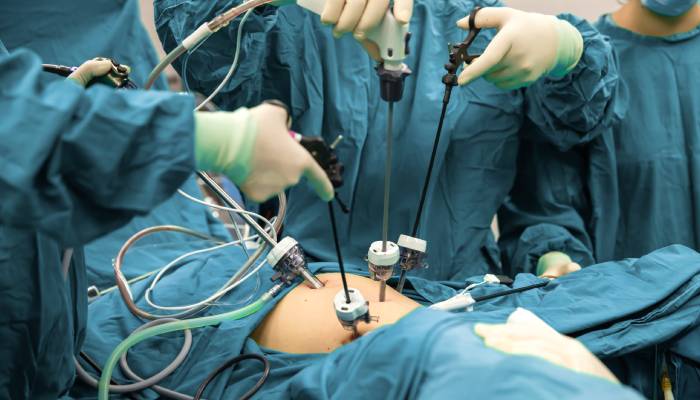
Laparoscopic urology surgery is an advanced minimally invasive surgical technique used to diagnose and treat a wide range of urological conditions. Instead of making a large incision, the procedure is performed through a few small keyhole incisions using a laparoscope—a thin tube fitted with a high-definition camera—and specialized surgical instruments.
The camera provides a magnified view of the internal organs, allowing the surgeon to perform complex procedures with exceptional precision while minimizing trauma to surrounding tissues. Compared to traditional open surgery, laparoscopic surgery results in less pain, minimal blood loss, faster recovery, shorter hospital stays, and smaller scars.
For selected patients, robotic-assisted laparoscopic surgery may also be recommended. Robotic technology provides enhanced visualization, greater precision, and improved instrument control, making it particularly beneficial for complex procedures such as radical prostatectomy.
Why Choose Laparoscopic Urology Surgery?
Laparoscopic surgery offers several advantages over conventional open surgery, including:
- Smaller surgical incisions
- Reduced postoperative pain
- Less blood loss
- Lower risk of infection
- Shorter hospital stay
- Faster recovery and return to normal activities
- Minimal scarring
- Better cosmetic outcomes
- High surgical precision
- Improved patient comfort
Conditions Treated
1. Kidney Cancer (Radical or Partial Nephrectomy)
Laparoscopic nephrectomy is commonly performed to remove part or all of a kidney affected by cancer or severe disease while preserving healthy tissue whenever possible.
2. Non-Functioning or Severely Damaged Kidney
A diseased kidney that has permanently lost its function due to infection, obstruction, or chronic damage may require laparoscopic removal to relieve symptoms and prevent complications.
3. Ureteropelvic Junction (UPJ) Obstruction
Pyeloplasty is performed laparoscopically to correct blockage between the kidney and ureter, restoring normal urine flow and preserving kidney function.
4. Kidney Cysts
Large or symptomatic kidney cysts causing pain, infection, or pressure symptoms can be safely treated using laparoscopic cyst decortication.
5. Prostate Cancer
For localized prostate cancer, robotic-assisted or laparoscopic radical prostatectomy enables precise removal of the prostate while minimizing blood loss and promoting faster recovery.
6. Bladder Cancer
Selected patients with muscle-invasive bladder cancer may undergo laparoscopic or robotic radical cystectomy with urinary diversion, depending on the stage and overall health.
7. Adrenal Gland Disorders
Laparoscopic adrenalectomy is performed for adrenal tumors, hormone-producing adenomas, pheochromocytoma, and selected adrenal cancers with excellent outcomes.
Surgical Techniques
Transperitoneal Approach
The transperitoneal approach is the most commonly used laparoscopic technique. Carbon dioxide (CO₂) gas is introduced into the abdominal cavity to create adequate working space, allowing clear visualization of the urinary organs.
Access may be achieved using:
- Open (Hasson) technique
- Veress needle technique
The choice depends on the patient's anatomy, previous surgeries, and surgeon preference.
Extraperitoneal Approach
In the extraperitoneal approach, surgery is performed without entering the abdominal cavity. A working space is created outside the peritoneum, often using balloon dilation.
This technique offers advantages such as:
- Reduced bowel manipulation
- Lower risk of abdominal complications
- Faster bowel recovery
- Less postoperative discomfort
It is commonly used for kidney and prostate surgeries in selected patients.
Port Placement
After creating adequate working space, several small ports are inserted through tiny skin incisions. These ports allow introduction of the laparoscope and specialized surgical instruments.
Throughout the procedure, the surgeon carefully monitors the operative field using high-definition imaging, ensuring precise dissection while protecting surrounding structures.
Expert Laparoscopic Urology Care
Dr. Sunit specializes in advanced laparoscopic and minimally invasive urological surgery for both benign and cancerous urological conditions. Every patient undergoes a comprehensive evaluation to determine the most appropriate surgical approach based on their condition, overall health, and treatment goals.
Using modern surgical techniques and evidence-based care, the focus is on achieving excellent clinical outcomes while minimizing pain, shortening recovery time, and helping patients return to their normal lives as quickly as possible.
Confidential Consultation
Discuss treatment options directly on WhatsApp or book an appointment.