Urethral Stricture Disease – Expert Diagnosis & Advanced Treatment
Urethral Stricture Disease
Urethral stricture disease is a condition in which the urethra becomes narrowed due to the formation of scar tissue. This narrowing restricts the normal flow of urine and can lead to difficulty urinating, a weak urine stream, recurrent urinary tract infections, bladder dysfunction, and, if left untreated, kidney damage.
Scar tissue may develop following injury, infection, inflammation, previous urinary procedures, or catheterization. Early diagnosis and appropriate treatment are essential to restore normal urinary function, relieve symptoms, and prevent long-term complications.
What is a Urethral Stricture?
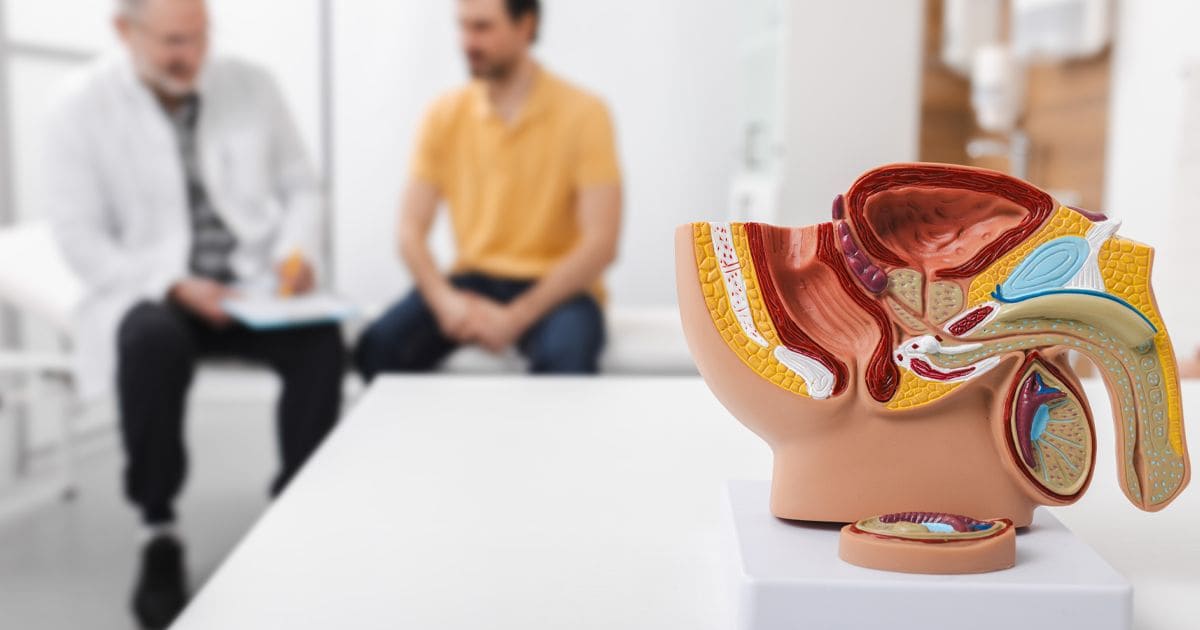
The urethra is the tube that carries urine from the bladder out of the body. In men, it extends through the penis, while in women it is shorter and opens just above the vaginal opening.
A urethral stricture occurs when scar tissue narrows this passage, making it difficult for urine to flow freely. The condition is much more common in men because of the longer length of the male urethra, although it can also occur in women.
Symptoms often develop gradually but may occasionally appear suddenly, requiring urgent medical attention.
Common Symptoms
Patients with urethral stricture disease may experience:
- Weak or reduced urine stream
- Difficulty starting urination
- Straining while passing urine
- Prolonged urination
- Incomplete bladder emptying
- Frequent urination
- Burning during urination
- Recurrent urinary tract infections (UTIs)
- Urinary spraying or split urine stream
- Blood in the urine (haematuria)
- Urinary retention (inability to pass urine)
Common Causes
Urethral strictures may result from:
- Previous urinary catheterization
- Injury or trauma to the urethra or pelvis
- Previous prostate or urinary tract surgery
- Sexually transmitted infections (STIs)
- Recurrent urinary tract infections
- Inflammation of the urethra (urethritis)
- Radiation therapy
- Congenital abnormalities (rare)
- Unknown (idiopathic) causes
Diagnosis
A thorough evaluation helps determine the location, length, and severity of the stricture.
Diagnostic tests may include:
- Medical history and physical examination
- Urine analysis and urine culture
- Uroflowmetry (urine flow test)
- Ultrasound assessment of the bladder
- Retrograde urethrogram (RGU)
- Micturating cystourethrogram (MCU), when required
- Cystoscopy (endoscopic examination of the urethra and bladder)
Treatment Options
Treatment depends on the length, location, and severity of the urethral stricture.
1. Urethral Dilatation
A minimally invasive procedure in which the narrowed portion of the urethra is gradually widened using specialized instruments. It is suitable for selected short strictures but may require repeat treatment.
2. Direct Vision Internal Urethrotomy (DVIU)
An endoscopic procedure in which the scar tissue is precisely incised using a specialized instrument to improve urine flow. It is commonly performed for short urethral strictures.
3. Urethroplasty
Urethroplasty is considered the gold standard treatment for recurrent or long-segment urethral strictures. The narrowed section is reconstructed or replaced using healthy tissue, offering the highest long-term success rates.
4. Suprapubic Catheter Placement
In patients with complete urinary retention, a temporary suprapubic catheter may be inserted through the lower abdomen to drain the bladder before definitive treatment.
When Should You See a Urologist?
Consult a urologist if you experience:
- Persistent weak urine flow
- Difficulty passing urine
- Recurrent urinary tract infections
- Frequent straining during urination
- Blood in the urine
- Inability to empty the bladder completely
- Sudden inability to pass urine (medical emergency)
Early diagnosis significantly improves treatment outcomes and reduces the risk of bladder and kidney damage.
Expert Urethral Stricture Care
Dr. Sunit provides comprehensive evaluation and advanced treatment for urethral stricture disease using the latest diagnostic techniques and evidence-based surgical procedures. Every treatment plan is personalized to restore normal urinary function, reduce recurrence, preserve bladder health, and help patients achieve lasting relief with the best possible outcomes.
Confidential Consultation
Discuss treatment options directly on WhatsApp or book an appointment.