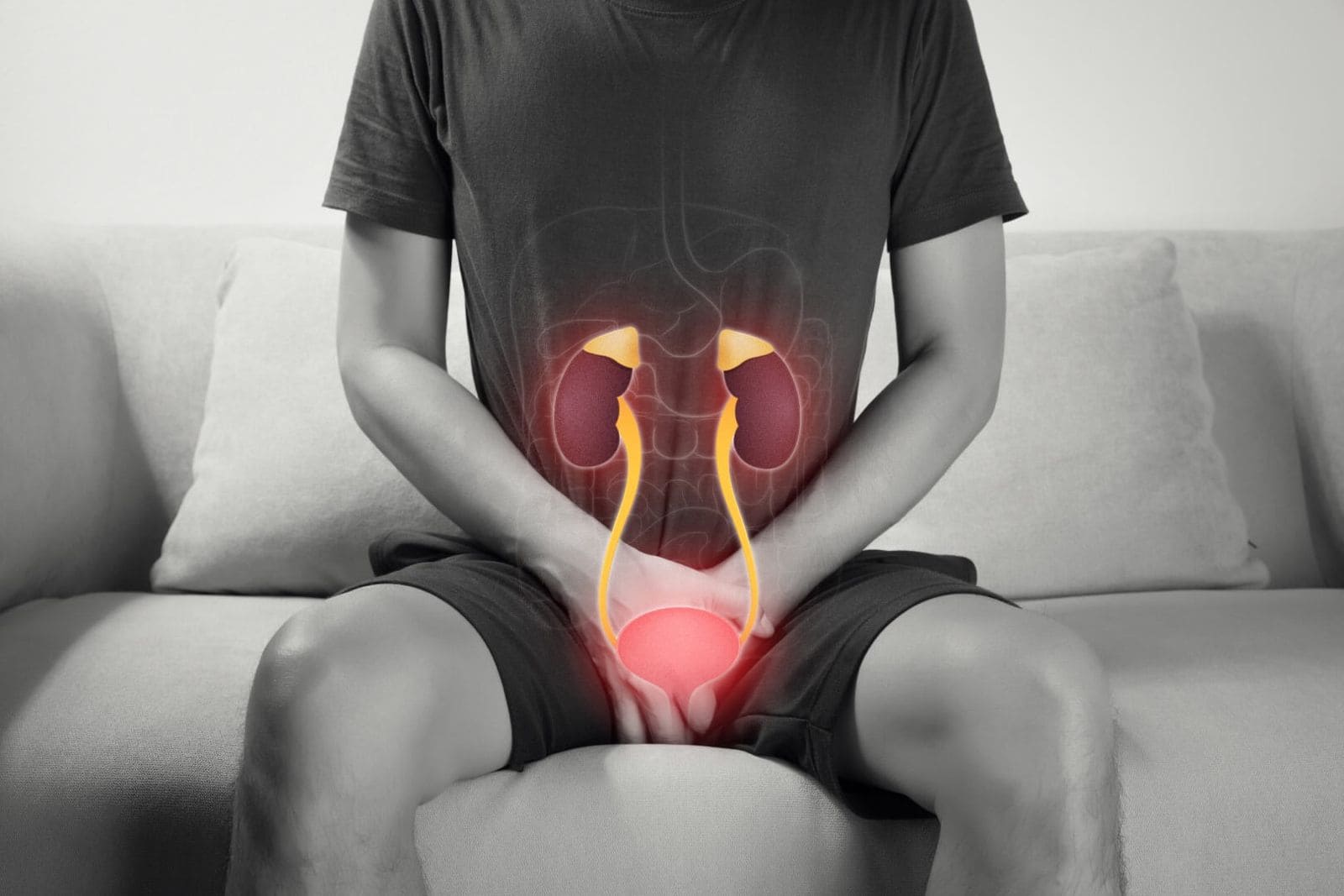
Urinary Incontinence – Expert Diagnosis & Advanced Treatment
Urinary Incontinence
Urinary incontinence is the involuntary leakage of urine due to a loss of bladder control. It is a common condition that affects both men and women and can range from occasional leakage during physical activity to a complete inability to control urination.
Although urinary incontinence becomes more common with age, it is not a normal part of aging. The condition can significantly impact daily activities, emotional well-being, work, and social life. With proper diagnosis and personalized treatment, most patients can achieve significant improvement or complete relief from symptoms.
What is Urinary Incontinence?
Urinary incontinence occurs when the muscles and nerves responsible for storing and releasing urine do not function properly. The condition may result from weakened pelvic floor muscles, bladder overactivity, prostate problems, neurological disorders, urinary tract infections, pregnancy, childbirth, menopause, or previous pelvic surgery.
The type and severity of incontinence determine the most appropriate treatment approach.
Types of Urinary Incontinence
1. Stress Urinary Incontinence
Stress urinary incontinence occurs when urine leaks during activities that increase pressure inside the abdomen, such as:
- Coughing
- Sneezing
- Laughing
- Running
- Exercising
- Lifting heavy objects
It commonly affects women after childbirth or menopause but may also occur in men after prostate surgery.
2. Urge Urinary Incontinence (Overactive Bladder)
Urge incontinence is characterized by a sudden, intense urge to urinate followed by involuntary urine leakage before reaching the toilet.
Patients often experience:
- Frequent urination
- Night-time urination (Nocturia)
- Urgency
- Leakage before reaching the bathroom
3. Overflow Incontinence
Overflow incontinence occurs when the bladder cannot empty completely, leading to frequent dribbling of urine.
Common causes include:
- Enlarged prostate (BPH)
- Urethral stricture
- Weak bladder muscles
- Nerve disorders
4. Functional Incontinence
Functional incontinence occurs when a person is unable to reach the toilet in time due to physical disability, mobility problems, arthritis, stroke, or cognitive impairment, despite having normal bladder function.
5. Mixed Urinary Incontinence
Mixed incontinence is a combination of stress and urge urinary incontinence and is particularly common among women.
Common Symptoms
Patients with urinary incontinence may experience:
- Involuntary urine leakage
- Frequent urination
- Sudden urge to urinate
- Difficulty holding urine
- Night-time urination
- Leakage while coughing or sneezing
- Feeling of incomplete bladder emptying
- Recurrent urinary tract infections
- Reduced confidence in social situations
Common Causes
Urinary incontinence may be caused by:
- Pregnancy and childbirth
- Menopause
- Enlarged prostate (BPH)
- Prostate surgery
- Urinary tract infections
- Overactive bladder
- Neurological disorders
- Diabetes
- Obesity
- Chronic cough
- Pelvic floor muscle weakness
- Aging
- Certain medications
Diagnosis
A thorough evaluation helps determine the exact type and cause of urinary incontinence.
Diagnostic investigations may include:
- Medical history and symptom assessment
- Physical examination
- Urine analysis and urine culture
- Bladder diary
- Ultrasound of the urinary tract
- Uroflowmetry
- Urodynamic studies
- Cystoscopy
- Post-void residual urine measurement
Treatment Options
Treatment depends on the underlying cause and severity of the condition.
1. Lifestyle and Behavioral Therapy
- Bladder training
- Timed voiding
- Weight management
- Fluid intake modification
- Dietary changes
2. Pelvic Floor Muscle Exercises
Pelvic floor (Kegel) exercises help strengthen the muscles supporting the bladder and urethra, especially in stress urinary incontinence.
3. Medications
Certain medications help reduce bladder overactivity, urinary urgency, and frequency, improving bladder control.
4. Minimally Invasive Treatments
Selected patients may benefit from:
- Bladder Botox (Botulinum toxin) injections
- Bulking agent injections
- Neuromodulation therapies
5. Surgical Treatment
For moderate to severe urinary incontinence, surgical options may include:
- Mid-urethral sling procedures (TVT/TOT)
- Artificial urinary sphincter (selected male patients)
- Other reconstructive bladder procedures
When Should You See a Urologist?
Consult a urologist if you experience:
- Persistent urine leakage
- Sudden urgency to urinate
- Frequent urination
- Difficulty controlling urine
- Leakage affecting daily activities
- Blood in urine
- Recurrent urinary tract infections
- Difficulty emptying the bladder
- Urinary symptoms after prostate surgery
Early diagnosis allows effective treatment and helps prevent complications.
Expert Urinary Incontinence Care
Dr. Sunit provides comprehensive evaluation and advanced treatment for all types of urinary incontinence using evidence-based diagnostic methods and modern treatment techniques. Every patient receives a personalized care plan designed to restore bladder control, improve urinary function, reduce symptoms, and enhance overall quality of life with compassionate and confidential care.
Confidential Consultation
Discuss treatment options directly on WhatsApp or book an appointment.